
A spa in Bali usually begins with a Balinese massage, and on a longer afternoon it moves on to a spice paste or a rice scrub before ending in a bath full of petals. Each step has its own history, some of it deeply Balinese, some of it from Java and some simply a pleasure of the present day.
We write from Jimbaran as the team behind The Shaba Spa at Balquisse Heritage Hotel, so we have an interest in where you book a treatment.
Long before the word spa appeared on a hotel sign, Bali had usada. Usada is the island's traditional system of medicine. Its knowledge was written down in lontar, the palm-leaf manuscripts of Bali, and practised by healers known as balian. Plants are at its heart. One manuscript, the Usada Taru Pramana, is given over entirely to medicinal plants, written as though the plants were introducing themselves to a sage.
Massage is part of usada, but never the whole of it. Traditional Balinese care includes massage, called urut among other names, and maboreh, the practice of covering the body in a spice paste.
In 2019 Bali's provincial government gave this heritage a formal place in a governor's regulation on Balinese traditional health services. The regulation describes care drawn from Balinese healing tradition and names Gotra Pengusada, the association of the island's traditional healers. Nationally, a 2014 Minister of Health regulation described spa services as health care that mixes traditional and modern treatment, using water, massage, herbal preparations and aromatherapy.
None of this tells you which spa to choose. What it does explain is why a Balinese spa menu so often reads like a list of spices.
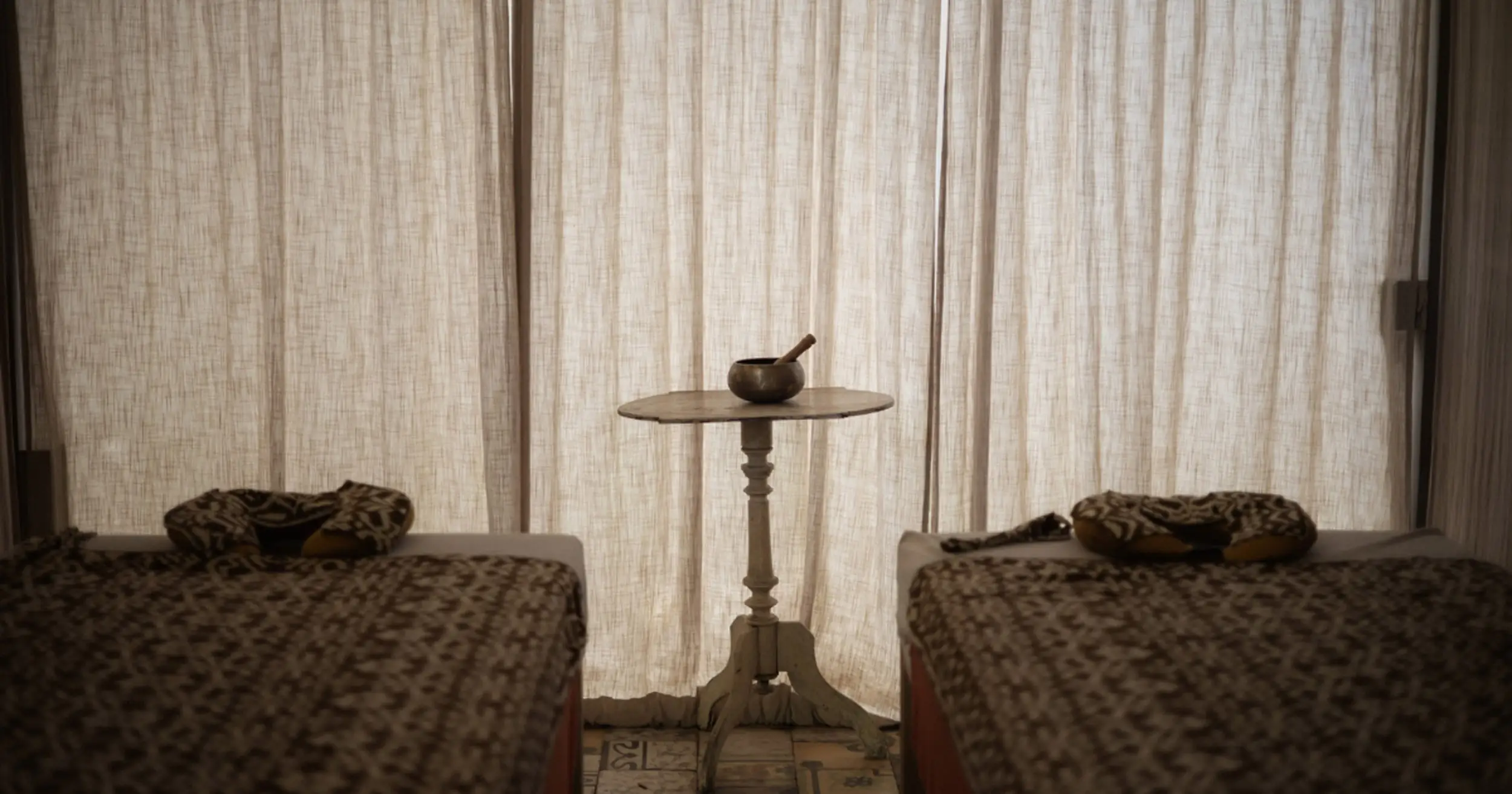
Most treatments start with warm oil and a therapist's hands. A Balinese massage mixes long, flowing strokes, kneading, skin rolling and pressure from the palms and thumbs, often with a few gentle stretches. The details change from one spa to the next. There is no single set sequence across the island and no official recipe, so it is easier to think of it as a family of techniques, shaped by each therapist's training and touch. On many menus it is also the first step of something longer.
Many spas ask you to arrive around 15 minutes early. You are usually offered a drink and a short form about the pressure you like and any allergies, injuries or pregnancy, so the therapist can adjust the treatment. Answer it honestly, because it shapes everything that follows. Pressure is yours to choose, and asking for lighter or firmer hands partway through is perfectly normal.
You stay draped throughout. Spas commonly give you disposable underwear and a sarong or towel, and the therapist uncovers only the part of the body being worked on. If anything feels uncomfortable, say so. You can ask for more draping at any point, or keep your own underwear on.
If you would prefer a female or male therapist, ask when you book. Many spas take this request, and asking for a female therapist is common. At some spas a few treatments are given only by therapists of one gender, so mention your preference early.
A massage is for comfort and relaxation, not diagnosis or treatment, and it should never delay a visit to a doctor. Serious side effects are rare, but they have been linked to vigorous massage. Mention any injury, recent surgery or circulation problem before you begin.
Boreh is one of the treatments most often linked to Bali itself. It is a thick paste of ground spices, among them ginger, cloves and lemongrass, mixed with water, spread over the body, left for a while and then rinsed off. Spa menus add their own touches, such as cinnamon, rice powder or turmeric. You will smell the clove and ginger before the paste reaches your skin.
Its story is tied to the rice fields. Balinese farmers used boreh to warm themselves after long hours in wet paddies. Who first ground the spices together, and when, nobody can say for certain.
Its warming and skin-brightening effects belong to tradition, and we make no medical claims for them. Boreh is a warmth you feel and a tradition you take part in, not a cure.
If you are pregnant, talk to your doctor or midwife before booking, tell the spa when you reserve, and ask whether warming treatments such as boreh suit you. Some spas offer a dedicated pregnancy massage instead, often with gentle side-lying positions and only after a certain stage of pregnancy.
Lulur came to Bali from its neighbour. It belongs to Javanese body-care traditions and is often made with rice, turmeric and other roots and spices. It is said to have begun in the Javanese royal courts, where brides were prepared with it before their weddings, though the exact centuries sometimes quoted rest on thin evidence.
On the treatment table, the golden paste is brushed on, left to dry a little, then gently rubbed away, often followed by a cool layer of yoghurt and a rinse. Lulur is about softness rather than heat, which is why it sits so easily beside boreh on the same menu. That Bali spas offer both is no contradiction. Traditions travel between Indonesia's islands, and this one has found a home in Bali.
Many packages end in a bath scattered with frangipani, rose or hibiscus petals. That is a lovely way to finish. A flower bath can be enjoyed as a spa ritual without treating it as an ancient religious ceremony.
It is also quite different from melukat. Melukat is a Balinese Hindu purification, a prayerful bathing in holy water, often guided by a priest, at temples, springs, river confluences or the sea. It is a religious rite, not a spa treatment. Both involve water and flowers. The likeness ends there.
Durations on Bali menus tend to follow familiar patterns, with sixty or ninety minutes for a massage and two hours or more once a scrub, wrap or bath is added. Prices are harder to compare, because spas present them in different ways.
Two small marks do much of the work. A price followed by "++" means tax and service are added to the figure you see, while a price marked "nett" already includes them. Some menus spell this out in words instead.
Setting, time and service all affect the price; a higher figure is not a measure of authenticity. A garden pavilion, a longer session or a bath at the end all change the number. Simplest of all is to ask for the final amount before you book, and to read the small words beside each price.
A service charge is not the same as a tip. The spa sets the service charge and adds it to the bill, often as part of a "++" price. A tip is a personal thank-you handed to your therapist, appreciated but not required, so look at the bill first and decide from there.
Booking ahead helps. For a simple massage, a day or two is often enough, although some well-known day spas rarely have room for walk-ins. Longer packages, couples treatments and rooms in garden or open-air settings can fill up well in advance, so reserve early and confirm the room you would like.
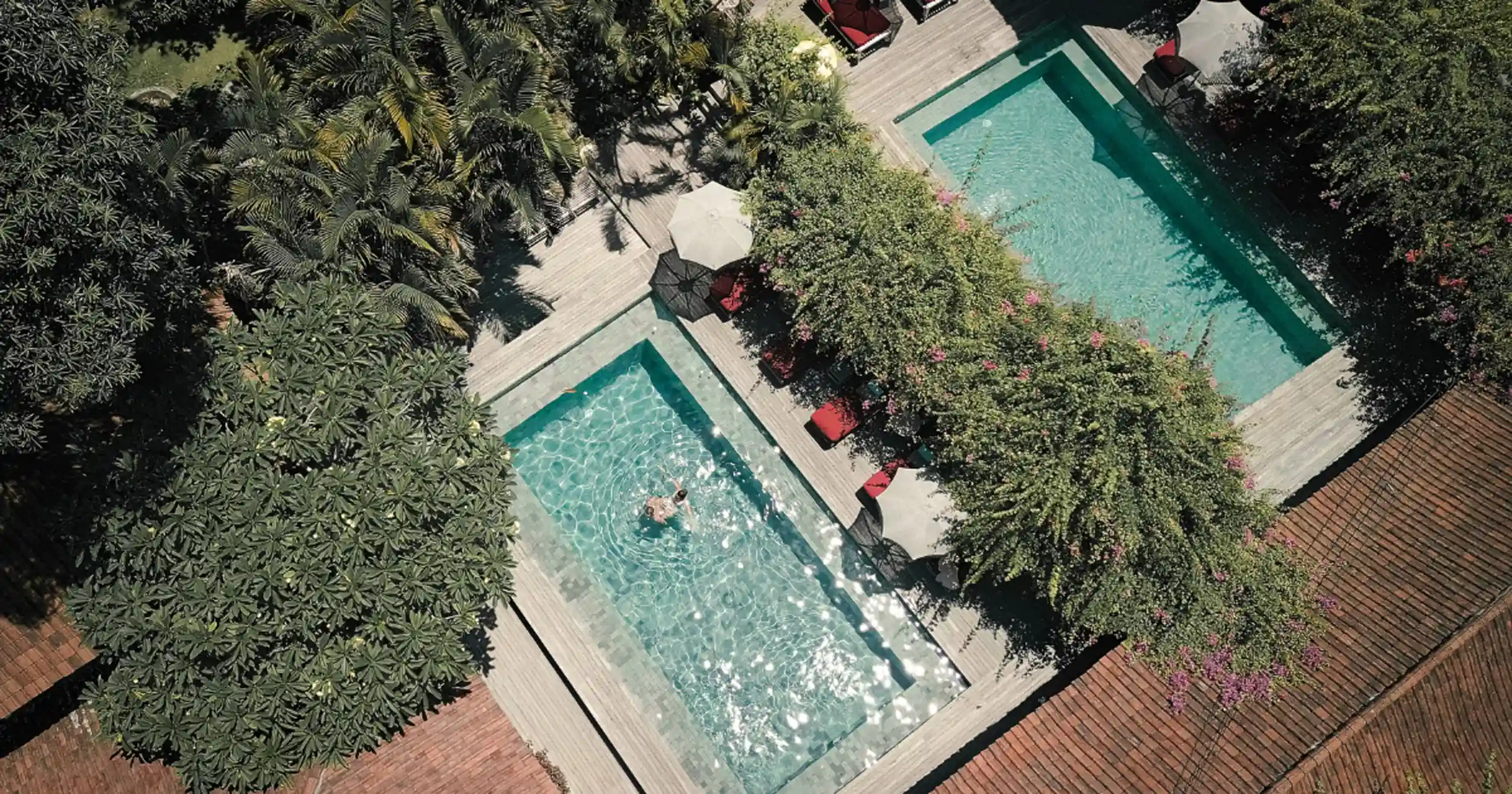
Here in Jimbaran, you will find The Shaba Spa at Balquisse Heritage Hotel. The hotel is a heritage property of 21 individually designed rooms, about 400 metres from Jimbaran Beach, with four pools. Its original 1960s building was redesigned by Zohra Boukhari.
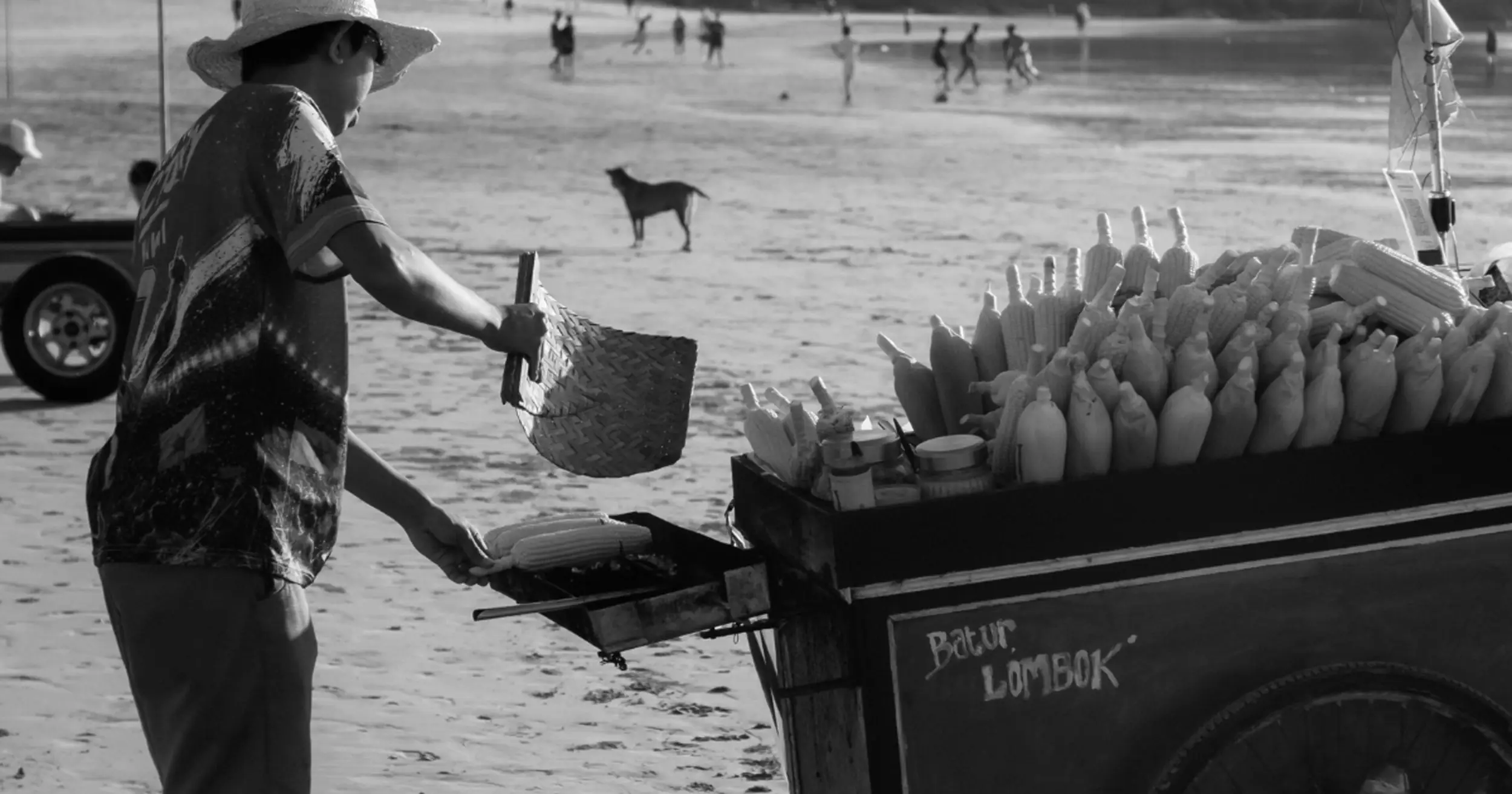
After a treatment, the neighbourhood is close at hand. Jimbaran's fishing boats rest on the sand along the bay, and the beach is there for a long walk as the sun goes down.
To ask about current treatments, times or anything you would like to know before booking, our team would be delighted to help.